Generosity and the Mission of Bible Translation
Why giving matters — and how it changes everything.
A Generous Heart Changes the World
Most of us can remember a moment when generosity changed something: a neighbor delivered a meal when life felt heavy, a stranger paid for our coffee or a loved one gave us a gift. Generosity has a way of reminding us that we’re not alone. It does more than meet a need — it restores hope. And, in God’s hands, what feels small rarely stays small.
Scripture treats generosity as a reflection of God’s own heart. It’s not a spiritual transaction or a religious duty meant to earn approval. It’s the natural overflow of grace. Paul wrote, “And God will generously provide all you need. Then you will always have everything you need and plenty left over to share with others” (2 Corinthians 9:8, NLT). Proverbs described generosity not as depletion but renewal: “The generous will prosper; those who refresh others will themselves be refreshed” (Proverbs 11:25, NLT).
This is one of the quiet wonders of biblical generosity: God provides, His people give and the result is not loss but multiplication — more good works, more communities strengthened and more evidence of God’s care in the world.
That’s why generosity matters in the mission of Bible translation. When people give, they’re not simply funding an organization or supporting a project. They’re partnering with something far bigger: helping bring God’s Word to people who have never had access to Scripture in a language they clearly understand.
Generosity is often a chain reaction — when we are the recipients of generosity, we often pass it on to others. In 2022, Barna reported that 54% of givers said they had experienced generosity themselves, compared to 36% of nongivers. Often those who practice generosity have seen it modeled, have experienced it personally and now want to model it for others.
That’s how generosity goes from becoming an act to becoming a pattern and a culture. One act of giving can strengthen a family, encourage a church, equip a translation team and help entire people groups encounter Scripture — not just here and now but for generations to come. What begins as one person’s act of generosity can ripple outward across communities, borders and languages, until what was once personal becomes global.
Christian generosity is the open handed use of God-given resources to worship God and serve others. It reflects His grace and often multiplies an impact beyond what the giver can see.
Keep reading to learn more about:
- What the Bible Really Says About Giving
- What Research Reveals About Modern Generosity
- Why Bible Translation Is a Gift That Keeps Giving
- Can I Trust Wycliffe With My Gift?
- Ways to Give That Make a Lasting Difference
- Living Generously in Everyday Life
- Together We Can Finish the Task
- Frequently Asked Questions
What the Bible Really Says About Giving
When most people hear the word “giving,” they think about money, a budget, a donation or a decision.
But the Bible talks about generosity in a deeper way; it treats giving as a heart issue — not because money is the most important thing in life, but because it so easily can become the thing we depend on. That’s why God’s Word doesn’t just ask, “Will you give?” It asks, “What do you trust?” and “What do you treasure?”
The Bible teaches that giving is an act of worship and trust, not a way to earn God’s favor. Generosity reflects what we value most and helps form us into people who live open handedly.
Giving As Worship and Obedience
Jesus spoke about money often, but not because He wanted to talk about finances. He wanted to talk about our hearts.
In Luke 12, Jesus said to live open handedly, to “… give to those in need …” and that doing so will store up treasure that cannot be taken away (Luke 12:33-34). In Matthew 6, He stated a simple truth that most of us have experienced: “Wherever your treasure is, there the desires of your heart will also be” (Matthew 6:21, NLT).
That’s what makes generosity so powerful. Giving isn’t just something we do after we trust God. Giving is often one of the ways we learn to trust Him.
And that’s why giving is not transactional — it’s transformational.
You can see this reflected in research too. In 2022, Barna found that when people give, it’s usually not because they were convinced by a perfect pitch or pressured by the right ask. While some people gave because of the ministry (6%), the person who asked (8%), the reason (11%) or the method (7%), 69% of adults said they gave because of who they are. For practicing Christians, that rises to 77%.
Generosity is tied to identity. For Christians, giving becomes one way of saying, “My life belongs to Jesus.” It’s worship using our resources and obedience that shapes us over time.
The Early Church and Radical Generosity
The Book of Acts gives one of the clearest pictures of what generosity looks like when it becomes part of everyday discipleship. The early Christians didn’t treat giving as a rare spiritual moment or something reserved for people with extra income. Instead generosity was woven into the life of the Church as a natural response to the gospel.
Acts 2 described a community marked by unity and shared responsibility: “And all the believers met together in one place and shared everything they had. They sold their property and possessions and shared the money with those in need” (Acts 2:44-45, NLT).
It’s important to notice what this kind of generosity was and what it was not. It was not performative or guilt-driven. It was not about earning God’s favor. It was a Spirit-led expression of love where Christians chose to live open handedly because they belonged to one another in Christ.
In Acts, generosity is also closely tied to worship and witness. The Church gathered together, prayed, shared meals and shared resources. Their life together was evidence of the gospel at work. People didn’t just hear about Jesus; they saw His character reflected in the ways the community cared for one another.
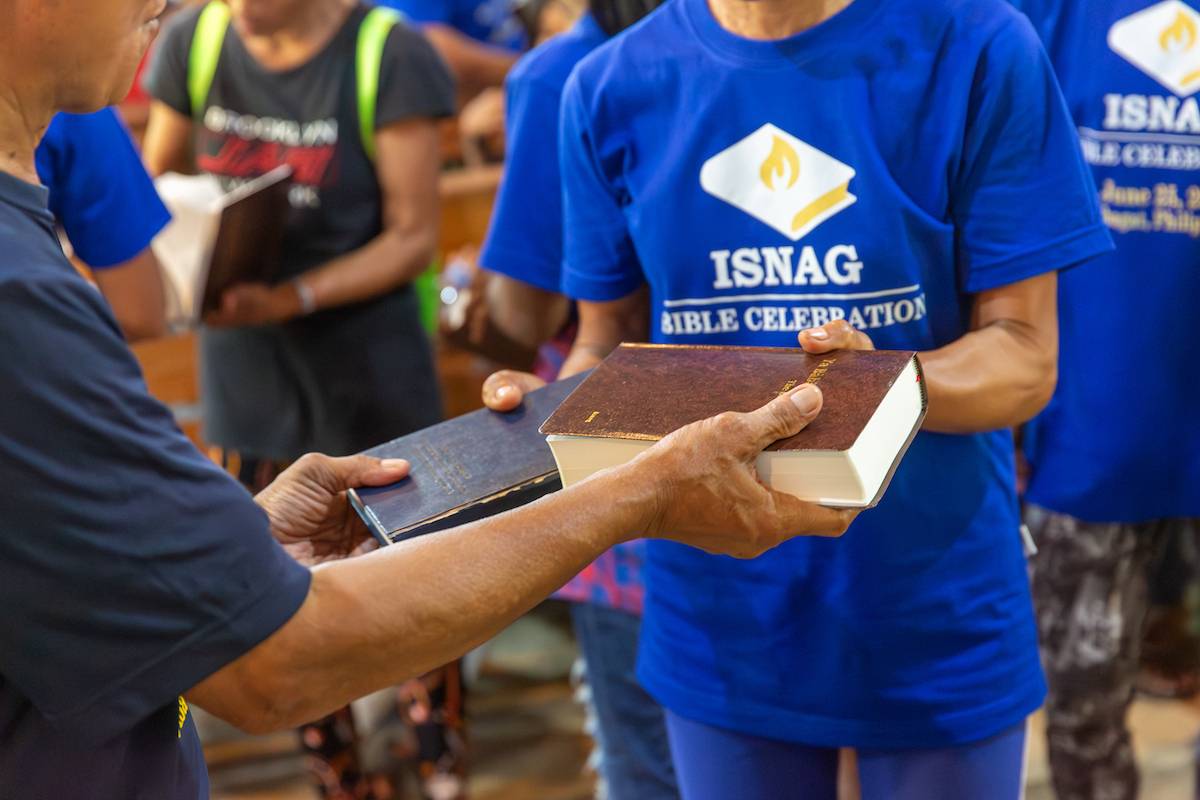
While Christians today may not sell all of their land or possessions, the heart of Acts 2 remains something the Church should model: God’s people sharing what they have so others can receive what they need. When Christians give toward Bible translation, they’re participating in communal generosity that strengthens the global Church and helps ensure that Scripture is accessible to every language community still waiting.
Giving isn’t solely about meeting people’s needs — it’s about belonging. It’s a tangible way Christians to tell others that they matter to God and that His Word is for them too.
What Research Reveals About Modern Generosity
Generosity still exists today, but it might feel more complicated than it used to.
There are more needs all around us, more causes competing for our attention and more people asking for help. Many people want to give, but they also want to give wisely. They want their generosity to matter, but they also want to trust the people they’re partnering with.
Research helps put language to what many donors already know: Generosity is changing, and trust has become a bigger part of the giving decision.
The State of Generosity Today
A key shift in today’s giving culture is that many Christians define generosity more broadly than financial donations.
In 2019, when Barna asked American Christians to describe what actions they most associate with “giving to others,” service (31%) and emotional or relational support (25%) were the top responses, while giving money (19%) came in third. This suggests that for many Christians, generosity is closely tied to their time, presence, care and personal connection — not only to financial donations.
Time with a neighbor, helping a friend through a hard season or listening to someone’s story are all tangible ways people recognize that they live generously each day.
Generosity still matters, and people still value it. Barna’s 2019 research indicated that almost nine in 10 practicing Christians say generosity is either extremely or very important to them. That means most Christians want to be generous — they just might express it in different ways depending on their season of life and resources.
Giving patterns also vary by age and life stage. According to Barna research, younger adults may have fewer financial resources to give, but they often express generosity in other ways that reflect their values and capacity. Older adults, who may have more financial comfort, often show generosity through established patterns of giving.

Why Trust and Transparency Matter More Than Ever
While many people want to live generously, a common question today is: “Where can I give with confidence?”
People respond to generosity emotionally at first; they want to make a difference, are moved by a compelling story or can see the real impact of their support. But after that initial emotional response, many donors want reassurance that their gift will be handled responsibly and used wisely.
This is why trust and transparency have become central to decisions about giving. Donors increasingly look for clear information about how funds are spent, how progress is measured and whether a ministry’s practices match its mission.
For faith-based organizations, being transparent is not just good practice — it helps people give with confidence and peace of mind.
Donors today are more likely to give when they have confidence in an organization’s credibility, clear reporting and responsible stewardship.
Why Bible Translation Is a Gift That Keeps Giving
Most Christians want their generosity to matter, not just for a moment but for eternity.
When people give, they’re often wondering: “Will this actually change anything?” Bible translation answers that question in a unique way. It helps people access God’s Word, opening the door for people to encounter Jesus in a language that feels deeply personal.
Bible translation continues to advance around the world, but there’s still more work to be done. Andy Keener, chief partnerships officer at Wycliffe USA explained, “We are asking God to raise up new partners to start Bible translation in the few hundred languages that are still without any translated Scripture — many of which represent the hardest of the hard-to-reach places in the world.”
Bible translation continues working long after the initial investment is made. Once Scripture exists in a language, it can be shared, taught and passed on for generations. Families are transformed by it, churches grow from it and communities are shaped by it.
Giving toward Bible translation is an invitation to take part in something God is already doing around the world. It’s a way to stand with people who are still waiting to encounter His Word in a language they clearly understand.
This is why Bible translation matters; it reaches far beyond the moment of generosity, changing lives and communities for generations to come.
The Power of Scripture in Every Language
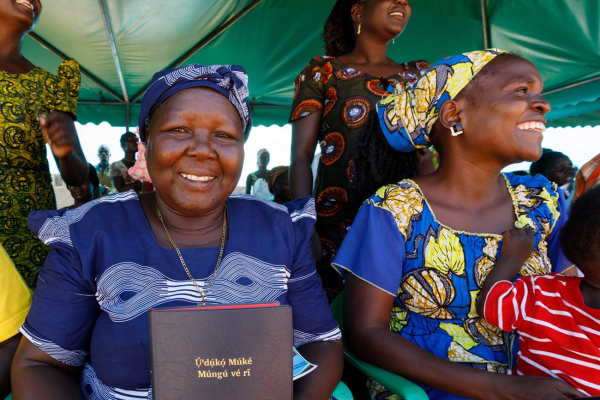
Language matters because it shapes how people think, pray and understand truth. For many communities around the world, Scripture has never existed in the language they use at home — the language they dream in, think in and teach their children in.
Meg Hunt, senior director of strategic services at Wycliffe USA, explained: “God’s Word in a different language [is] a barrier to people knowing Jesus.”
Wycliffe is committed to seeing God’s Word made available in every language. In an interview in 2025, Meg noted: “There are over 7,000 [spoken and signed] languages worldwide … and there are over 560 communities that don’t have a single verse [of Scripture] in their language.”

For those communities, a lack of Bible access isn’t just an inconvenience; it’s a barrier that prevents them from knowing Jesus.
When Scripture is available in a language people clearly understand, something changes: God’s Word is no longer filtered through another culture or language. It becomes familiar, clear, personal and transformative.
That’s why at Wycliffe, we believe Bible translation is about more than just producing a text; it’s about personal transformation. Meg echoed this belief when she shared: “It’s not just [about] putting a product in people’s hands, but recognizing that God’s Word transforms lives. And so when we are able to provide God’s Word in the local language, people’s lives will be transformed.”
Partnership That Multiplies Impact
No single organization can accomplish this work alone. Bible translation is global, complex and deeply relational. That’s why partnership and collaboration are central to Wycliffe’s approach.
“You’ll hear the name Wycliffe,” Meg Hunt said, “but that’s really a placeholder for all the partner organizations involved. There’s really no way that a single organization could accomplish this kind of mission.” Wycliffe works with more than 3,000 field partners, churches and like-minded ministries, along with more than 20,000 individuals, participating in projects to see people encounter Jesus through Scripture in a language and format they clearly understand.
This collaborative model means resources are shared rather than duplicated. Organizations pool their expertise and coordinate their strategies. Kelly Chesnut, spiritual development officer at Wycliffe USA, described it: “There’s an open handed generosity that has developed as a result of this collaboration together. We don’t just share technology; we’re sharing donors … we’re sharing strategies. … We don’t want to be redundant, so we’re talking together to ensure that as we start new languages, we’re not stepping on anyone else’s toes or we’re not starting something that someone else has already started.”
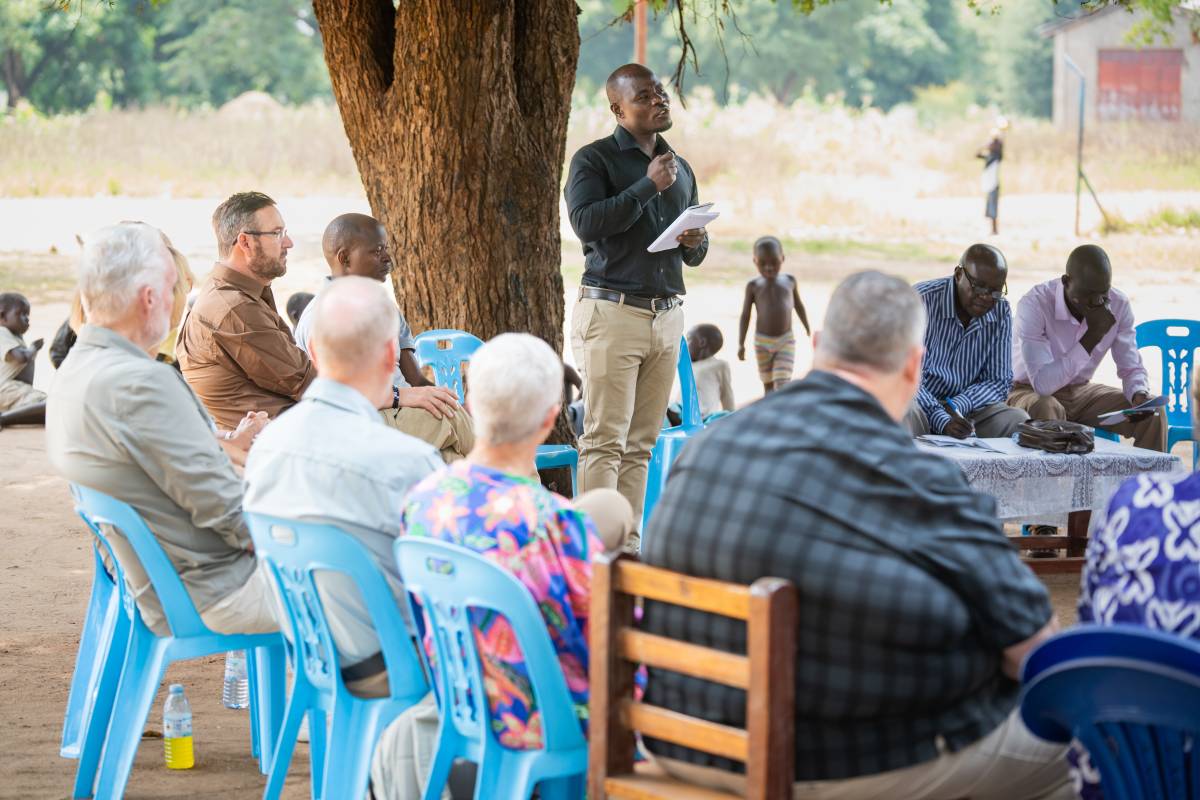
Partnership also honors local churches. Translation work is carried out with local believers who know their language, culture and community best. “We are really privileged and blessed to partner with churches and local Bible translation organizations in different countries to really see their vision for Bible translation fulfilled,” Meg Hunt explained. “We want to support the local church. We believe that Bible translation is a ministry of the Church, and communities … are strengthened when they have God’s Word.”
For donors, this means their generosity goes further: A single gift doesn’t support just one organization or effort. It becomes part of a shared movement, multiplying its impact across regions, languages and communities.
Can I Trust Wycliffe With My Gift?
Giving is personal, and people want to know that their generosity will be handled with care and used well.
We understand that trust is earned. That’s why financial integrity and transparency are treated as core responsibilities at Wycliffe. When you give to Bible translation, you’re placing your confidence in us to manage your resources well, and we take that responsibility seriously.
Financial Stewardship That Honors God
Wycliffe follows clear, widely recognized standards for financial accountability. We’re accredited by the Evangelical Council for Financial Accountability (ECFA), which reviews governance practices, financial reporting and ethical fundraising. This accreditation exists to help donors give with confidence.
Wycliffe has also earned Candid’s Platinum Seal of Transparency, the highest level of recognition for nonprofit transparency. This distinction reflects a commitment to sharing clear, accessible information about financial practices, progress and impact so donors can understand how their generosity is making a difference.
Gifts given to Wycliffe are directed toward the work that makes Bible translation possible, including:
- Translation and language development for communities still waiting for Scripture
- Scripture engagement so people can understand and use God’s Word
- Training, support and oversight to ensure translations are accurate and faithful
These practices help ensure that your generosity is stewarded wisely and used to make a lasting impact. Donors can give knowing their support is helping bring God’s Word to people who have never had it in their language before.

Ways to Give That Make a Lasting Difference
When people feel confident that a gift will be handled with care and integrity, the next question is often a practical one: “How can I participate?”
There’s no single right way to give. Generosity might look different for you depending on the season of life you’re in. At Wycliffe, we offer multiple ways for people to get involved in Bible translation, whether it’s through ongoing monthly support, giving to a specific project, partnering with the ministry of a Wycliffe missionary or donating through long-term planning.
Each option allows your generosity to make a real impact and plays a role in helping bring God’s Word to people who are still waiting for it.
Monthly Partners: Fueling Ongoing Translation
Bible translation is long-term work. Translation can often take years of careful, faithful effort, and consistent generosity matters. Monthly giving plays a unique role in helping Bible translation move forward without interruption.
Through Wycliffe’s community of monthly donors called WordGivers, people can become ongoing partners in the work of Bible translation. Monthly gifts provide steady support that allow translation teams to plan ahead, continue their work with confidence and respond quickly when new translation opportunities arise.
Being part of the WordGivers community also means that you’re able to stay connected to the impact of your generosity. When you join, you receive:
- Exclusive updates and reports showing how your monthly gifts are bringing hope to people around the world through translated Scripture
- Project-specific updates, including translation milestones and progress
- Prayer requests from communities and teams you help support
For many donors, monthly giving becomes a consistent way they’re participating in what God is doing globally, while staying informed and engaged along the way.
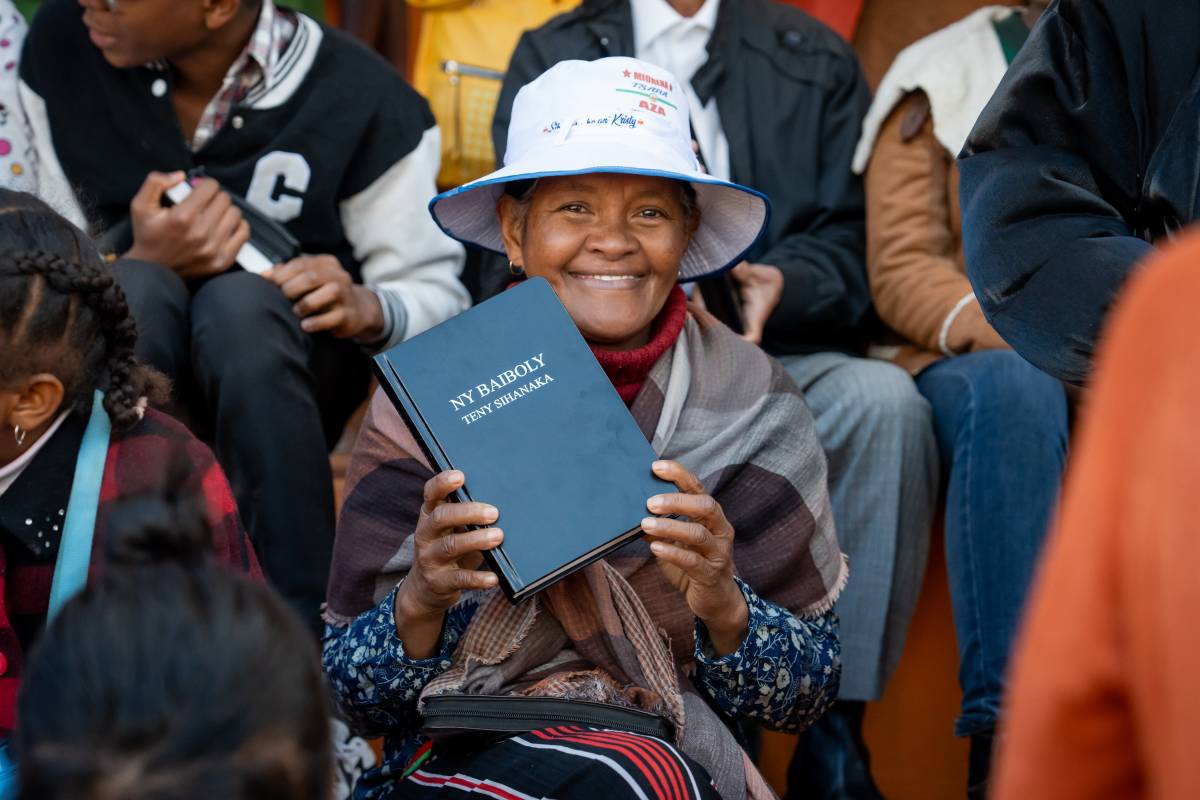
Project-Based Giving: Connecting Passion to Purpose
Sometimes generosity starts with a specific place or story that makes an impact on you. If God placed a particular region of the world or language community on your heart, project-based giving allows you to respond directly.
You can support specific Bible translation projects by region — Africa, the Americas, Asia, Europe and the Pacific — or explore featured projects through Wycliffe’s Gift Catalog, where specific needs and opportunities are highlighted.
Another option is giving to the Worldwide Projects Fund, which allows Wycliffe to direct support where it’s needed most. This flexibility helps translation teams press on without delays, especially when urgent needs arise or funding gaps would otherwise slow progress.
Each of these options fills a different need, but the goal is the same: helping ensure that Bible translation work can move forward with the resources teams need to continue.
Missionary Support: Empowering the People Behind the Work
Behind every translation effort are people who learned new languages, built trust among communities and walked closely with them over many years.
Missionaries serve alongside local churches and translation teams, supporting both the technical work of translation and the relational work of Scripture engagement. Their presence helps ensure that God’s Word is not just translated but also understood and used in communities.
But missionaries can’t do it alone; they rely on the faithful prayers and generosity of people like you to sustain their work so they can support communities in their journey to engage with God’s Word.
Partner with a Wycliffe missionary today! →

Church and Community-Based Giving: Generosity We Share
Generosity might be an individual choice, but it can also be an expression of faithfulness in community. Giving alongside others — in your church, a small group or friends — can make Bible translation feel deeply meaningful.
One simple way to practice generosity with your church is through hosting an Adopt-a-Verse event. This one-time giving event invites people to sponsor individual verses of Scripture for a Bible translation project. Each $35 gift helps translate one verse, making it an easy way for individuals, families and even children to participate. Together your church can help move an entire translation project forward — one verse at a time.
Learn more about Adopt-a-Verse. →
You can also start a giving circle with friends, your Bible study or even neighbors. Wycliffe giving circles are simply groups of people who decide to give together around a shared passion for God’s Word. Each person contributes what they can, and together you support a translation effort that would otherwise be difficult to fund alone.
What often makes giving circles so powerful is the shared experience — people praying together, celebrating translation progress and watching how God multiplies what each person brings.
Legacy and Planned Giving: Leaving a Faithful Impact
Some forms of generosity grow out of reflection as people contemplate what will last and how their faith can shape lives beyond the present moment.
Legacy giving and planned giving offer a way for you to support Bible translation for generations to come. Through wills, bequests or non-cash gifts such as stock or donor-advised funds, you can help ensure that people who have never had access to Scripture will one day have God’s Word in a language they understand.
Planned giving is a way to trust in God’s ongoing work and to pass on a legacy of faithfulness. The Wycliffe Foundation walks alongside donors in this process, offering estate-planning guidance and support so your generosity can make an eternal impact.
Living Generously in Everyday Life
All of these ways of giving — monthly support, project funding, missionary partnership and legacy planning — point to a deeper truth about generosity: It is not limited to a single decision or season of life. Generosity is a posture of your heart that is shaped over time.
Scripture describes generosity as more than an action; it’s something that forms us. Paul wrote that God enriches His people “… in every way so that you can always be generous” (2 Corinthians 9:11a, NLT). Paul also reminded us of Jesus’ words: “You should remember the words of the Lord Jesus: ‘It is more blessed to give than to receive’” (Acts 20:35b, NLT).
Living generously means living open handedly — with our resources, our time and our attention.

A helpful framework is to ask how you’re stewarding your time, talents and treasures in everyday life.
You can ask yourself some simple questions that will guide the posture of your heart:
- “What does it look like for me to live open handedly in this season?”
- “Where might God be inviting me to give — not only financially but relationally and spiritually?”
Together We Can Finish the Task
For the first time in history, Bible translation is within reach for every language still waiting. Thousands of communities now have Scripture because people chose to give to, pray for and partner with the work faithfully over time. And yet, there are still hundreds of languages without a single verse of God’s Word.
This reality reminds us that generosity is not theoretical. God uses His people to move real work forward.
Your Part in God’s Global Mission
Bible translation advances because ordinary people choose to say “yes” to God’s invitation into what He’s already doing. Monthly partners help create stability, while gifts to projects can help remove delays. Supporting missionaries helps sustain people doing the work, while legacy gifts ensure Bible translation continues beyond your lifetime.
No single gift finishes the task, but together they can.
A Call to Generous Partnership
There is room for you in this work.
You may feel called to give regularly, respond to a specific need, commit to prayer or help others understand why Bible translation matters. Each of these roles plays a part in seeing God’s Word made available in every language.
You’re part of the generation that will see the gospel go out into the furthest corners of the earth, and we invite you to join the movement! Here are just a few ways to get involved:
- Pray: We believe prayer is foundational to the work of Bible translation and are incredibly grateful for the people who have committed to praying. Whether you want to receive weekly prayer requests and updates via text message or join our online community of like-minded believers to pray for timely needs, your prayers can help change the world.
- Give: God calls us as believers to steward our resources — including our time, talents, treasures and more! When you give to Bible translation, you’re making an eternal deposit that will impact lives now and in the future. Whether you want to give toward the greatest needs, to a specific translation project or to a missionary, your generosity is vital to ensuring people have the opportunity to encounter Jesus personally through Scripture.
- Advocate: When you’re passionate about something, you want to tell everyone about it! Advocacy looks different for each person — it might mean sharing Wycliffe social media posts, inviting your friends to learn about Bible translation, connecting your church leaders with resources and more.
No matter your age or stage of life, God is calling each of us to be part of His mission to make disciples of all nations. As you prayerfully consider your next right step, you can be sure that no matter which one you take, you’ll be contributing to a promised future when all people can worship God in their language!
Frequently Asked Questions
What does the Bible say about generosity?
The Bible describes generosity as a reflection of God’s character and a response to His grace. Scripture teaches that giving flows from trust in God, gratitude and love for others (2 Corinthians 9:6-8; Proverbs 11:25). Jesus also reminds believers that giving is an act of discipleship, not obligation (Matthew 6:21).
Why support Bible translation specifically?
Bible translation helps people encounter God through Scripture in a language they clearly understand. When God’s Word is accessible, people’s faith becomes personal, churches are strengthened and communities are transformed. Bible translation also creates lasting impact; once Scripture exists in someone’s language, it continues to shape lives for generations.
Is Wycliffe’s financial reporting public?
Yes. Wycliffe is committed to transparency and accountability. Financial information, impact reporting and organizational details are publicly available. Wycliffe is accredited by the Evangelical Council for Financial Accountability (ECFA) and has earned Candid’s Platinum Seal of Transparency, reflecting a commitment to clear reporting and responsible stewardship.
How can I get involved beyond giving?
Generosity includes more than financial support. Many people engage by praying for translation teams and communities, sharing stories about Bible translation or advocating for Bible translation within their churches.

Related Stories