Why Bible Translation?
Because everyone deserves to encounter God through His Word in a language and format they clearly understand.
Why is Bible translation important?
Imagine receiving the most important message in the world but never fully understanding it.
Today, more people than ever are engaging with God’s Word, and as Bible translation continues, communities have the opportunity to encounter Him through Scripture in ways that are clear and meaningful.
Bible translation is important because it helps make it possible for people to:
-
Understand who God is
-
Encounter Jesus through His Word
-
Grow in their faith, both individually and as a community
When people engage with God’s Word in a way they clearly understand, they begin to see who God is and respond to His love for them.
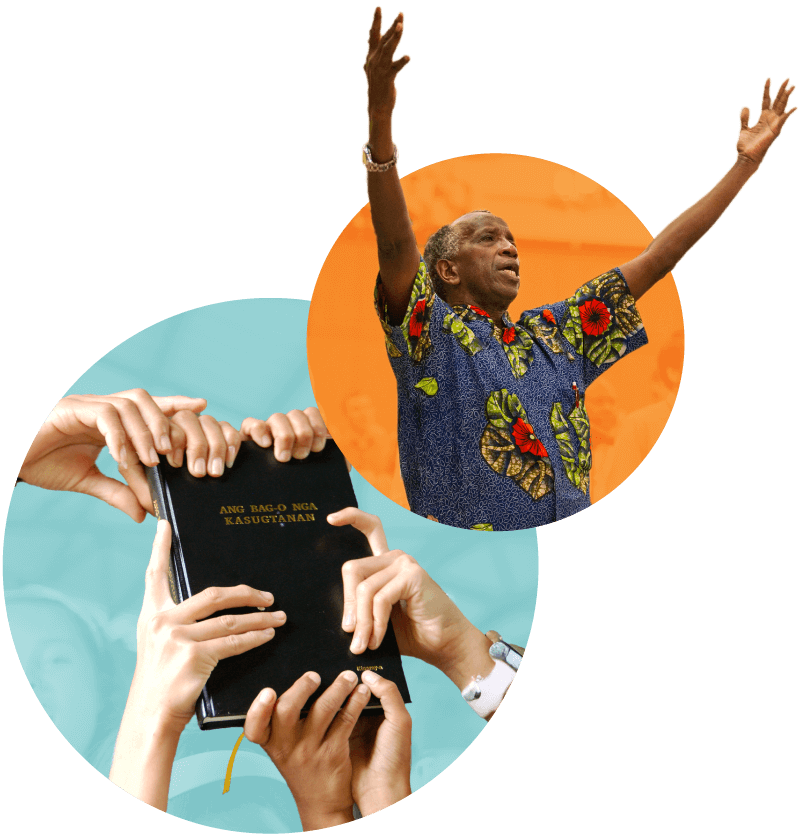
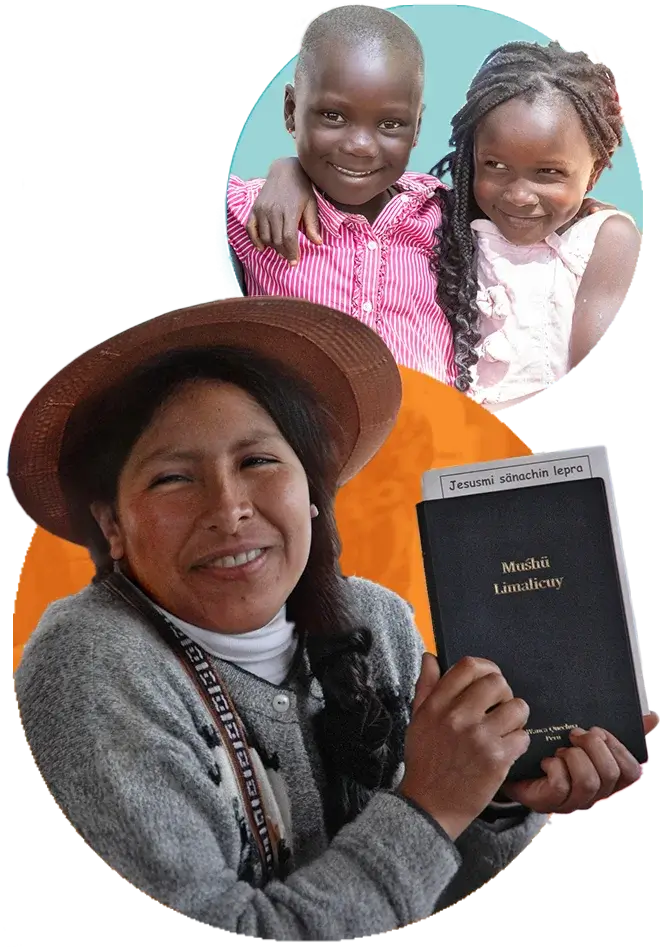
What is happening in Bible translation today?
Around the world, approximately 7,400 known spoken and signed languages are in use by more than 8 billion people. Bible translation is part of a global movement led by local churches and supported by Bible translation organizations worldwide to ensure that each one of these people has God’s Word.
To this end, Wycliffe USA is engaged in translation projects with more than 3,200 language communities through funding and staffing, working alongside local churches and partners so that people can experience the full story of Scripture.
From Jan. 1 to Sept. 30, 2026, Wycliffe USA-funded projects have seen:
- 1,054,111 verses completed
- 32,210 chapters completed
- 2,151 books completed
Each milestone brings more Scripture to people who are waiting to understand God’s Word in their language.
What happens when Bible translation begins?
Bible translation is about so much more than the technical work of translating words. It’s about people encountering God through His Word.
As Scripture becomes available:
People Understand God
People begin to understand more about the God who created them and His love for them.
Identity Is Restored
Communities experience a renewed sense of identity and worth as people realize God sees them, knows them and speaks their language.
Churches Are Equipped
Churches are equipped for evangelism, discipleship, church planting and more.
People Encounter Jesus
Communities encounter Jesus in ways that are clear and personal.
Even early portions of Scripture can begin shaping lives as people hear, read or see God’s Word in a language they understand.
Scripture for Every Heart, Everywhere
God is at work around the world, making His Word accessible to people in ways that capture their hearts and transform their lives forever.
And He invites each of us to be part of that story.
Common Questions About Bible Translation
Bible translation is important because God wants people everywhere to know Him through His Word. Although the Bible has been translated into thousands of languages, many communities still don't have access to the full Bible in a language they use every day. When people can engage with God's Word in their language, they're better able to discover who God is, experience the full story of His love, encounter Jesus and grow in their faith.
Bible translation is still necessary because right now, there are men, women and children around the world who don't have access to Scripture in a way that is clear, personal and meaningful to them.
In Revelation 7:9, we get a glimpse of a future in which people from every language and nation are worshipping before God's throne together.
This isn’t just a distant vision — it’s a promise. And it’s why we continue to be part of this work, so that all people can encounter God through His Word in a language and format they clearly understand.
You can read, listen to and watch the Bible in many languages online through digital Scripture platforms.
Explore Bible translations in different languages >
These resources include written translations, audio Bibles and video Scripture, making it possible to experience God’s Word in multiple languages and formats.
Some Bibles are also available in print, but many translations are shared digitally — especially in communities where physical copies are harder to access.
No, the Bible has not been translated into every language. In fact, some language communities are still waiting for Bible translation work to begin.
Explore how Bible translation is progressing around the world, including how many languages have Scripture and where work is still underway.
Every portion of Scripture can help people encounter Jesus and grow in their faith. But the Old and New Testaments together reveal the full story of God’s plan for humanity. The Old Testament helps us understand the promises, history and context behind Jesus’ life, death and resurrection.
Many communities have portions of Scripture or a New Testament but are still waiting for the whole Bible in their language. Continuing translation helps make the full counsel of God’s Word available to them.
What would it be like to read Scripture with important context missing? Explore “H ly B bl : Incomplete Scriptures,” a digital booklet that illustrates this by removing Old Testament references and key phrases from the Gospel of Matthew.
While the Bible is available in most major and majority languages, Scripture is clearer and more meaningful when it’s translated into a language that people use every day.
Many communities:
-
Speak minority or local languages
-
Only have portions of the Bible
-
Need Scripture in audio or visual formats
The goal is to ensure that all people can experience the full story of God’s Word in a language and format they clearly understand.
Wycliffe and our partners are committed to seeing Scripture made available for every heart, everywhere, so that all people can understand how much God loves them.
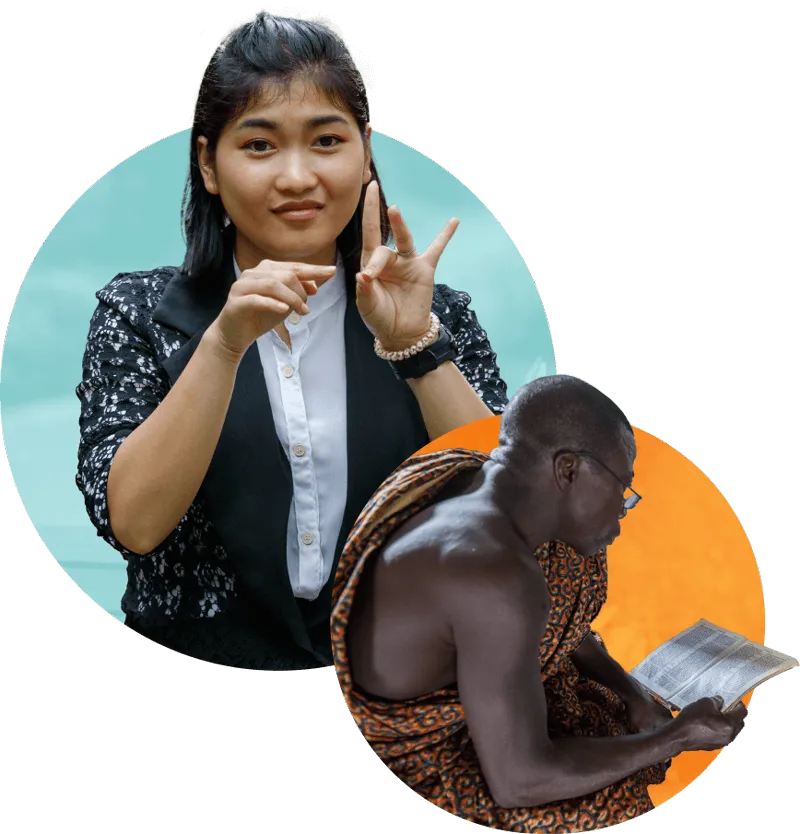
Sign languages are completely different from written and spoken languages, with their own grammar, structure and visual way of expressing meaning through movement, facial expression and body language.
Because of this, reading the Bible in a written language can feel to a Deaf person like engaging with the Bible in a second language. That’s why many Deaf communities understand Scripture most clearly when it’s translated into sign language and presented visually — allowing them to encounter God’s Word in a language and format that resonates with their hearts.
Want to go deeper? See how sign language Bible translation is helping Deaf communities encounter God’s Word, and step into these stories through immersive storytelling and firsthand accounts.
Today there are 512* known languages that still need Bible translation to begin.
Back in 1999, Wycliffe and our partners set a bold goal to see Bible translation started in every language still needing it by the year 2025. We called it Vision 2025.
At the time, it was estimated that around 3,000 languages needed translation. As research improved and understanding of global languages grew, that number was later revised to approximately 4,500-5,000 languages.
Since then, significant translation progress has been made, with more people than ever having access to God’s Word in their language.
*Cumulative progress from Jan. 1-Sept. 30, 2026. See the latest updates at wycliffe.org/progress.
Historically, it could take 20-40 years for a New Testament to be translated. But today, that’s changing! Through modern technology, AI tools and local language partnerships, a New Testament translation can be completed in four to eight years, depending on the language and resources available.
Factors include the size of the language community, whether a writing system exists, the technology available and how much support the project receives from the local community.
Technology helps advance Bible translation so more people can encounter God’s Word in a language and format they clearly understand.
Tools like artificial intelligence (AI) support translation teams by improving efficiency, accuracy and collaboration, allowing Scripture to become available more quickly in many languages.
For example, technology can:
-
Help generate a first draft of Scripture using existing translations
-
Identify errors or unclear wording in seconds
-
Process language data to support translation in communities with little or no written Scripture
-
Assist in developing writing systems for languages without an established alphabet
While technology can support the work, people remain at the center. Translators, consultants and community leaders help ensure that God’s Word is clear, natural and faithful to the original message.
Where do you want to go next?
Explore what matters most to you and take a next step:
See Global Progress
Experience Scripture
Step Into Real Stories
Learn About the History of Bible Translation
Find Your Place in the Story
God is inviting people everywhere to be part of His work through Bible translation. And there’s a place for you in that story too.
Explore meaningful ways to pray for, give to, advocate for, engage with and join in what God is doing around the world.
Ready to take your next step?
It is the same with my word. I send it out, and it always produces fruit. It will accomplish all I want it to, and it will prosper everywhere I send it.